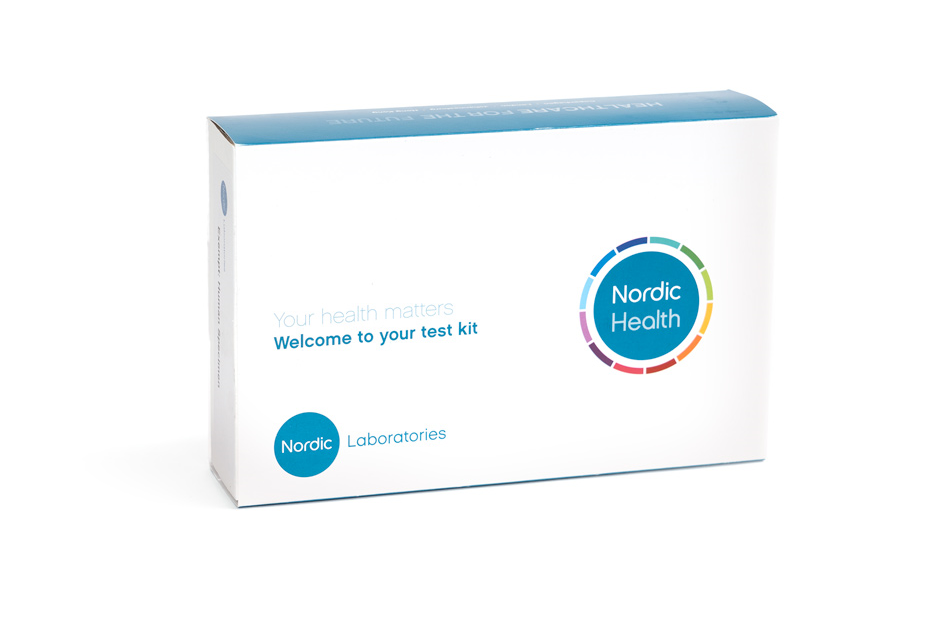
DUTCH Complete™
 Dried urine
 21 days +/- 4 Days
Indications
Women
- Fatigue or low energy: Persistent tiredness that may relate to adrenal or sex hormone imbalance.
- Low mood or depression: Changes in emotional wellbeing or motivation linked to hormonal fluctuations.
- Reduced libido: Decline in sexual desire or satisfaction possibly influenced by oestrogen or testosterone levels.
- Premenstrual symptoms: PMS, irritability or mood swings occurring before menstruation.
- Menopausal changes: Hot flushes, sleep disruption or other signs of hormonal transition.
- Weight gain: Gradual or unexplained weight increase that may relate to changes in metabolism or hormone balance.
Men
- Fatigue or low energy: Ongoing tiredness or reduced stamina possibly linked to hormone levels.
- Low mood or depression: Persistent low mood or lack of motivation that may correspond with testosterone or cortisol imbalance.
- Reduced sex drive: Lower libido or sexual performance potentially influenced by changes in androgen activity.
- Sleep disturbance: Difficulty falling asleep or staying asleep associated with cortisol rhythm.
- Hair loss: Gradual thinning or changes in hair pattern possibly linked with hormone variation.
- Weight gain: Increased abdominal or overall body weight that may reflect hormonal shifts.
Overview
The DUTCH Complete offers an extensive evaluation of hormone metabolism and adrenal function through dried urine samples collected throughout the day. This assessment includes measurements of primary hormones and their metabolites, alongside monitoring the daily variation of free cortisol and markers related to melatonin metabolism. The information provided gives a detailed perspective on hormone production, clearance, and circadian rhythm. This multifaceted approach supports a broader understanding of endocrine activity in relation to lifestyle and metabolic functions.
For women, hormone metabolite profiling may provide valuable insights related to menstrual cycle variations, hormonal changes during life stages, sleep quality, and hormone therapy effects. In men, it can contribute to understanding variations in energy levels, mood, libido, and body composition over time. The test also incorporates organic acid and oxidative stress markers, allowing for a wider view of the metabolic and lifestyle factors that might influence overall hormonal balance. This comprehensive profiling facilitates a nuanced examination of health patterns beyond standard assessments.
Results are considered alongside individual lifestyle information, wellbeing factors and other health data to build a tailored picture of endocrine function. Tracking hormone metabolite patterns over time can support informed discussions about nutrition, lifestyle choices and personal optimisation strategies. This approach aims to enhance understanding of individual health dynamics without making specific medical claims.
DUTCH Complete is intended for informational, educational, wellness and/or research purposes only. It is not intended for use in medical diagnosis, disease screening or clinical decision-making. DUTCH Complete is not a replacement for clinical laboratory testing and does not provide medical diagnoses. This content is intended for general information within the EU market and should not be interpreted as a regulated in-vitro diagnostic claim.
Videos
Quick introduction video
Research
Downloadable research
• Urinary Cortisol and Cortisol Metabolite Excretion in Chronic Fatigue Syndrome
• Comparison of Estrogens and Estrogen Metabolites in Human Breast Tissue and Urine
• Comprehensive study of urinary cortisol metabolites in hyperthyroid and hypothyroid patients
Other research
• C. Vantyghem, A. Ghulam, C. Hober, C. Schoonberg, M. D’Herbomez, A. Racodot, A. Boersma and J. Lefebvre (1998) “Urinary cortisol metabolites in the assessment of peripheral thyroid hormone action: Overt and subclinical hypothyroidism.” J.Endocrinol. Invest. 21:21-225.
• Contreras, L. N., S. Hane and J. B. Tyrrell (1986). “Urinary cortisol in the assessment of pituitary-adrenal function: utility of 24-hour and spot determinations.” J Clin Endocrinol Metab 62(5): 965-969.
• Cook, M. R., C. Graham, R. Kavet, R. G. Stevens, S. Davis and L. Kheifets (2000). “Morning urinary assessment of nocturnal melatonin secretion in older women.” J Pineal Res 28(1): 41-47.
• Denari, J. H., Z. Farinati, P. R. Casas and A. Oliva (1981). “Determination of ovarian function using first morning urine steroid assays.” Obstet Gynecol 58(1): 5-9.
• Hoshiro, Y. Ohno, H. Masaki, H. Iwase and N. Aoki (2006) “Comprehensive study of urinary cortisol metabolites in hyperthyroid and hypothyroid patients” Clinical Endocrinology 64: 37-45
• Jerjes, W. K., T. J. Peters, N. F. Taylor, P. J. Wood, S. Wessely and A. J. Cleare (2006). “Diurnal excretion of urinary cortisol, cortisone, and cortisol metabolites in chronic fatigue syndrome.” J Psychosom Res 60(2): 145-153.
• Miro, F., J. Coley, M. M. Gani, P. W. Perry, D. Talbot and L. J. Aspinall (2004). “Comparison between creatinine and pregnanediol adjustments in the retrospective analysis of urinary hormone profiles during the human menstrual cycle.” Clin Chem Lab Med 42(9): 1043-1050.
• Mistry, H. D., N. Eisele, G. Escher, B. Dick, D. Surbek, C. Delles, G. Currie, D. Schlembach, M. G. Mohaupt and C. Gennari-Moser (2015). “Gestation-specific reference intervals for comprehensive spot urinary steroid hormone metabolite analysis in normal singleton pregnancy and 6 weeks postpartum.” Reprod Biol Endocrinol 13: 101.
• Munro, C. J., G. H. Stabenfeldt, J. R. Cragun, L. A. Addiego, J. W. Overstreet and B. L. Lasley (1991). “Relationship of serum estradiol and progesterone concentrations to the excretion profiles of their major urinary metabolites as measured by enzyme immunoassay and radioimmunoassay.” Clin Chem 37(6): 838-844.
• Roos, J., S. Johnson, S. Weddell, E. Godehardt, J. Schiffner, G. Freundl and C. Gnoth (2015). “Monitoring the menstrual cycle: Comparison of urinary and serum reproductive hormones referenced to true ovulation.” Eur J Contracept Reprod Health Care 20(6): 438-450.
• Taioli, E., A. Im, X. Xu, T. D. Veenstra, G. Ahrendt and S. Garte (2010). “Comparison of estrogens and estrogen metabolites in human breast tissue and urine.” Reprod Biol Endocrinol 8: 93.
• Taniyama, M, Keiko Honma, K and Ban, Y (1993) “Urinary Cortisol Metabolites in the Assessment of Peripheral Thyroid Hormone Action: Application for Diagnosis of Resistance to Thyroid Hormone” Thyroid 3(3): 229-233
• Waller, K., S. H. Swan, G. C. Windham, L. Fenster, E. P. Elkin and B. L. Lasley (1998). “Use of urine biomarkers to evaluate menstrual function in healthy premenopausal women.” Am J Epidemiol 147(11): 1071-1080.
All‑in‑one functional medicine platform for education, testing, and patient care.
Nordic Laboratories ApS
Simply Nature Ltd
Stonegate East Sussex TN5 7DU,
United Kingdom