
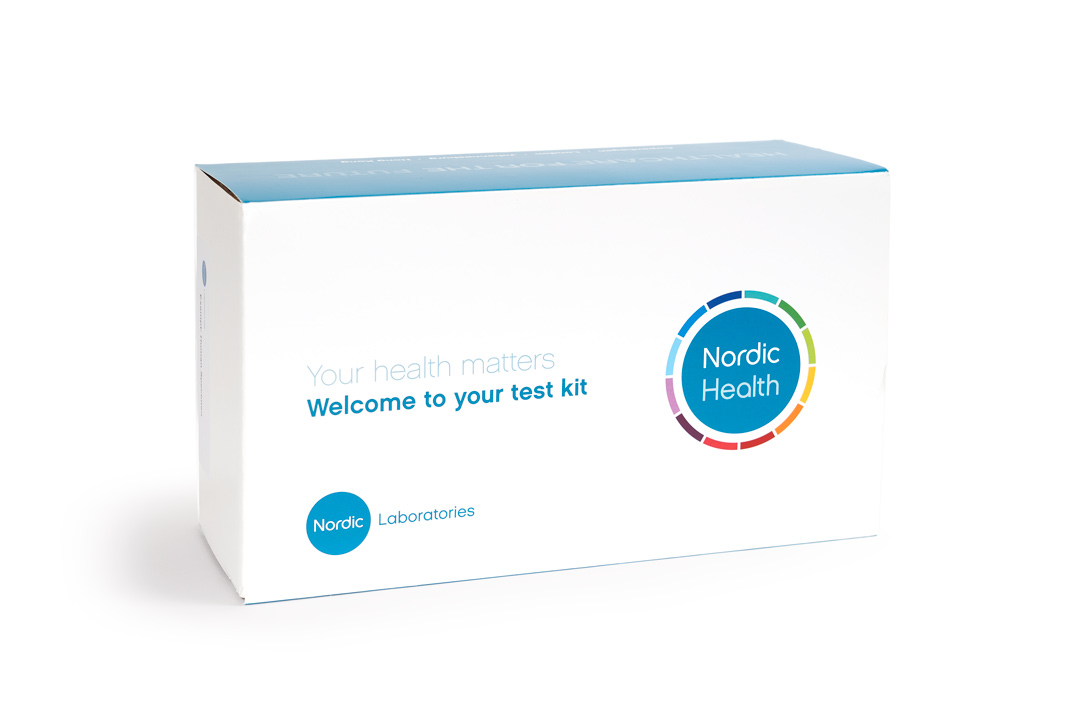
GI360 Complete x2 days
 Stool
Stool
 14 Days
Indications
- Digestive discomfort: Bloating, cramping, abdominal pain or a general sense of digestive unease.
- Irregular bowel habits: Constipation, loose stools, urgency or fluctuating stool patterns.
- Signs of inflammation: Abdominal tenderness, gut sensitivity or changes in stool linked with suspected inflammation.
- Suspected digestive infections: Diarrhoea, nausea or vomiting that may occur with acute or persistent digestive upset.
- Food-related symptoms: Fullness, nausea or discomfort after certain foods.
- Low energy or fatigue: Tiredness that may accompany digestive imbalance.
- Skin or joint concerns: Rashes, irritation, joint aches or stiffness that occur alongside gut symptoms.
- After travel or exposure: Changes in digestion, stool patterns or comfort following recent travel.
- Post-antibiotic changes: Noticeable shifts in stool regularity or comfort after antibiotic use.
- Blood in stool: Visible or suspected blood in stool (requires medical review).
- Related conditions: Situations where conditions such as IBS, IBD, malabsorption or suspected dysbiosis may prompt a detailed stool assessment.
Overview
GI360 Complete x 2 Days offers a thorough overview of gastrointestinal function by analysing stool samples collected over two days. The test integrates multiplex PCR techniques, culture methods, biochemical assays and microscopic examination to provide a detailed look at digestive processes, microbial communities, immune response markers, and a broad spectrum of microorganisms. This multi-faceted approach enhances understanding of the complex interactions within the gut environment and supports exploration of factors influencing gastrointestinal wellbeing.
This assessment is particularly useful for those interested in gaining insights into their digestive health, microbial balance, and overall gut ecosystem stability. By examining bacterial groups, microbial diversity, metabolites such as short-chain fatty acids, enzyme activities, as well as fungal and viral presence, GI360 Complete x 2 Days helps illuminate patterns related to digestive efficiency and microbial harmony. Additional context is provided through comparison with reference microbial profiles, offering a comprehensive picture of individual gut function in relation to wider population data.
Combining multiple laboratory methods, the two-day collection captures a wider representation of the gut microbiota and parasitology compared to single-sample analyses. This expanded sampling supports a more robust understanding of digestive capacity, microbial community dynamics, and inflammatory activity. Together, these elements contribute to a holistic assessment of gut health, making GI360 Complete x 2 Days a valuable tool for those exploring lifestyle, nutritional factors or general digestive balance.
GI360 Complete x 2 Days is intended for informational, educational, wellness and/or research purposes only. It is not intended for use in medical diagnosis, disease screening or clinical decision-making. GI360 Complete x 2 Days is not a replacement for clinical laboratory testing and does not provide medical diagnoses. This content is intended for general information within the EU market and should not be interpreted as a regulated in-vitro diagnostic claim.
Research
Research
• Aasbrenn M, Valeur J, Farup PG. Evaluation of a faecal dysbiosis test for irritable bowel syndrome in subjects with and without obesity. Scandinavian Journal of Clinical and Laboratory Investigation. 2017;78(1-2):109-113. DOI: 10.1080/00365513.2017.1419372
• Andréasson K, Alrawi Z, Persson A, Jönsson G, Marsal J. Intestinal dysbiosis is common in systemic sclerosis and associated with gastrointestinal and extraintestinal features of disease. Arthritis Research & Therapy. 2016;18(1). DOI: 10.1186/s13075-016-1182-z
• Bennet SMP, Böhn L, Störsrud S, et al. Multivariate modelling of faecal bacterial profiles of patients with IBS predicts responsiveness to a diet low in FODMAPs. Gut. 2017;67(5):872-881. DOI: 10.1136/gutjnl-2016-313128
• Casén C, Vebø HC, Sekelja M, et al. Deviations in human gut microbiota: a novel diagnostic test for determining dysbiosis in patients with IBS or IBD. Alimentary Pharmacology & Therapeutics. 2015;42(1):71-83. DOI: 10.1111/apt.13236
• Farup PG, Aasbrenn M, Valeur J. Separating “good” from “bad” faecal dysbiosis – evidence from two cross-sectional studies. BMC Obesity. 2018;5(1). DOI: 10.1186/s40608-018-0207-3
• Farup P, Valeur J. Faecal Microbial Markers and Psychobiological Disorders in Subjects with Morbid Obesity. A Cross-Sectional Study. Behavioral Sciences. 2018;8(10):89. DOI: 10.3390/bs8100089
• Magnusson MK, Strid H, Sapnara M, et al. Anti-TNF Therapy Response in Patients with Ulcerative Colitis Is Associated with Colonic Antimicrobial Peptide Expression and Microbiota Composition. Journal of Crohns and Colitis. 2016;10(8):943-952. DOI: 10.1093/ecco-jcc/jjw051
• Magnusson MK, Strid H, Isaksson S, Simrén M, Öhman L. The Mucosal Antibacterial Response Profile and Fecal Microbiota Composition Are Linked to the Disease Course in Patients with Newly Diagnosed Ulcerative Colitis. Inflammatory Bowel Diseases. 2017;23(6):956-966. DOI: 10.1097/mib.0000000000001130
• Mazzawi T, Lied GA, Sangnes DA, et al. The kinetics of gut microbial community composition in patients with irritable bowel syndrome following fecal microbiota transplantation. Plos One. 2018;13(11). DOI: 10.1371/journal.pone.0194904
• Olbjørn C, Småstuen MC, Thiis-Evensen E, et al. Fecal microbiota profiles in treatment-naïve pediatric inflammatory bowel disease – associations with disease phenotype, treatment, and outcome. Clinical and Experimental Gastroenterology. 2019;Volume 12:37-49. DOI: 10.2147/ceg.s186235
• Thorkildsen LT, Nwosu FC, Avershina E, et al. Dominant Fecal Microbiota in Newly Diagnosed Untreated Inflammatory Bowel Disease Patients. Gastroenterology Research and Practice. 2013;2013:1-13. DOI: 10.1155/2013/636785
• Valeur J, Småstuen MC, Knudsen T, Lied GA, Røseth AG. Exploring Gut Microbiota Composition as an Indicator of Clinical Response to Dietary FODMAP Restriction in Patients with Irritable Bowel Syndrome. Digestive Diseases and Sciences. 2018;63(2):429-436. DOI: 10.1007/s10620-017-4893-3
• Vebø HC, Sekelja M, Nestestog R, et al. Temporal Development of the Infant Gut Microbiota in Immunoglobulin E-Sensitized and Nonsensitized Children Determined by the GA-Map Infant Array. Clinical and Vaccine Immunology. 2011;18(8):1326-1335. DOI: 10.1128/cvi.00062-11
• Vebø HC, Karlsson MK, Avershina E, Finnby L, Rudi K. Bead-beating artefacts in the Bacteroidetes to Firmicutes ratio of the human stool metagenome. Journal of Microbiological Methods. 2016;129:78-80. DOI: 10.1016/j.mimet.2016.08.005
All‑in‑one functional medicine platform for education, testing, and patient care.
Nordic Laboratories ApS
Simply Nature Ltd
Stonegate East Sussex TN5 7DU,
United Kingdom